
Free educational guide for veterans and families
After the blast: understanding brain injury
Blast exposure and blows to the head can have effects that are not always obvious to other people. This short guide helps veterans and families ask better questions and talk about changes without blame.
Why it is not always obvious
After a traumatic brain injury, difficulties with attention, memory, sleep, fatigue, irritability or sensitivity to noise may occur. But these signs are not specific to brain injury: they can have other causes. Symptoms alone cannot establish a diagnosis.
Why repeated exposure matters
One incident may not tell the full story of a service member's experience. A history of repeated blast exposure can be relevant to understanding reported difficulties, although researchers are still studying long-term effects. It should not be assumed that every blast necessarily caused a brain injury.
How families can help
It may help to notice specific changes without labels: when concentration becomes harder, what disrupts sleep, which situations are exhausting, and what makes daily activities easier. Ask what support is wanted, and respect the person's choice not to share more than they wish.
When urgent help is needed
After a recent head injury, worsening severe headache, repeated vomiting, seizures, marked confusion, limb weakness or loss of consciousness require urgent medical assessment. This educational guide is not a substitute for diagnosis or treatment.
OPTIONAL FURTHER READING
Explore this subject at your own pace
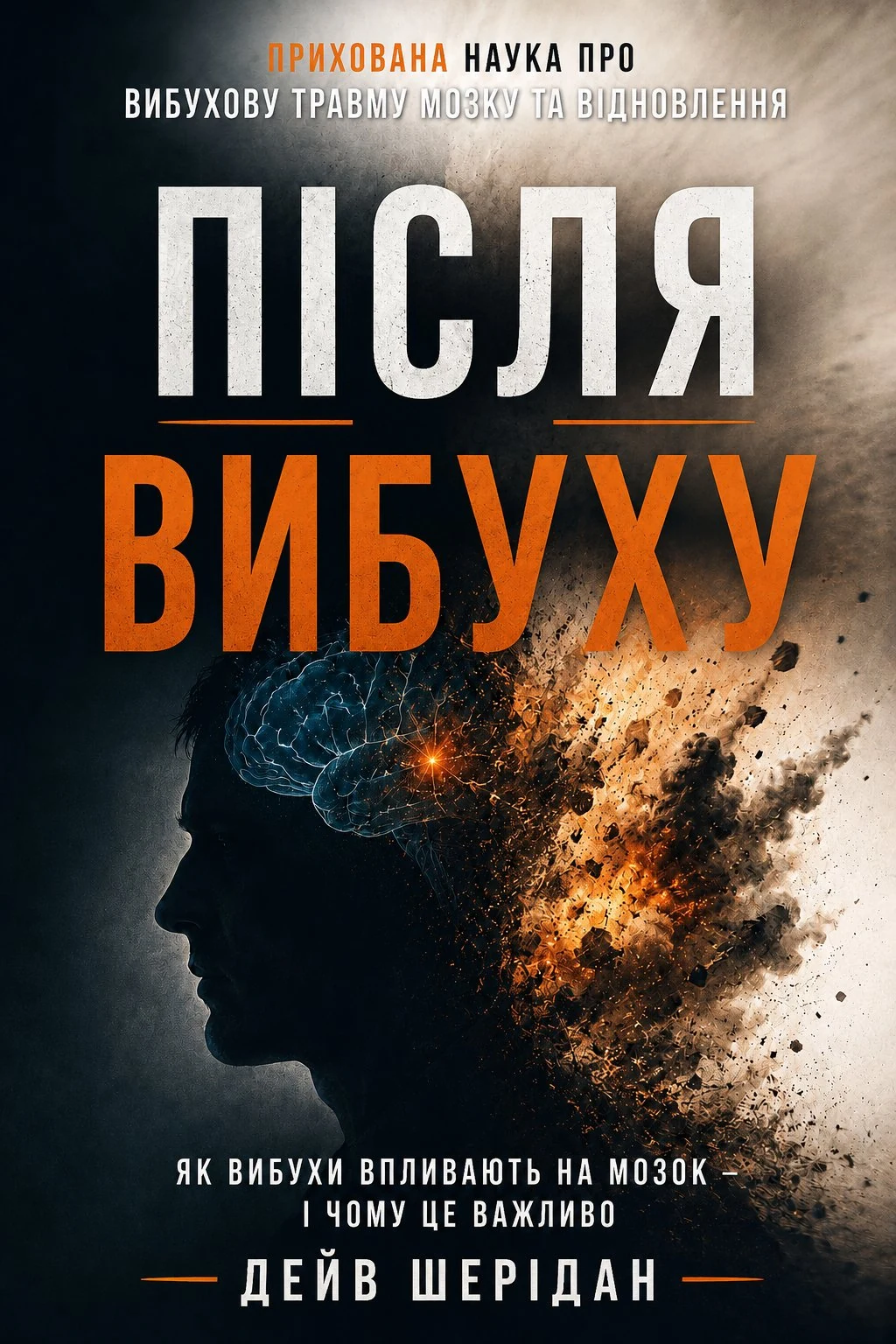
Beyond the Explosion
An accessible explanation of blast exposure, brain injury and difficulties that may arise after service.
Books are optional educational companions. This guide remains free.
Related resources
Educational information only; not individual medical advice.